As the world prepares to mark World Population Day 2026 under the theme, Realizing the hopes and aspirations of young people – today and for the future, attention turns to what it takes for young people to build the lives they envision for themselves.
Young people’s aspirations are shaped not only by ambition, but also by the opportunities, information, skills, services, and support systems available to them. For adolescent girls and young women in particular, economic security, access to health information, supportive relationships, and the ability to make informed decisions are often deeply interconnected.
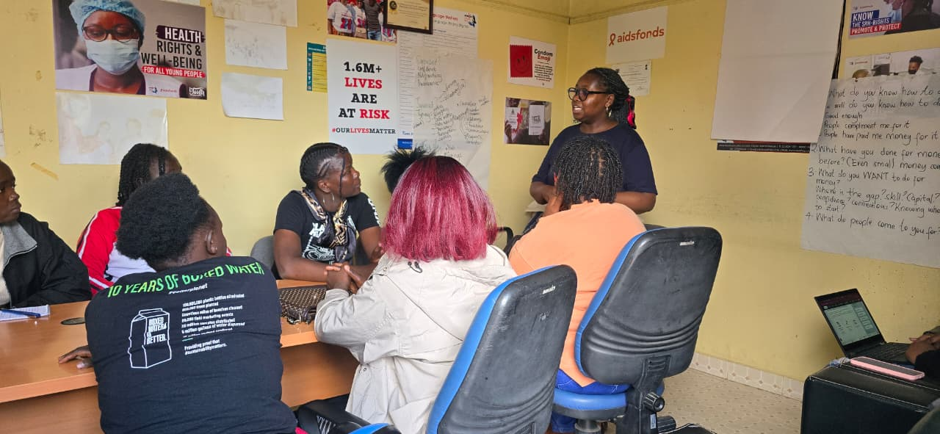
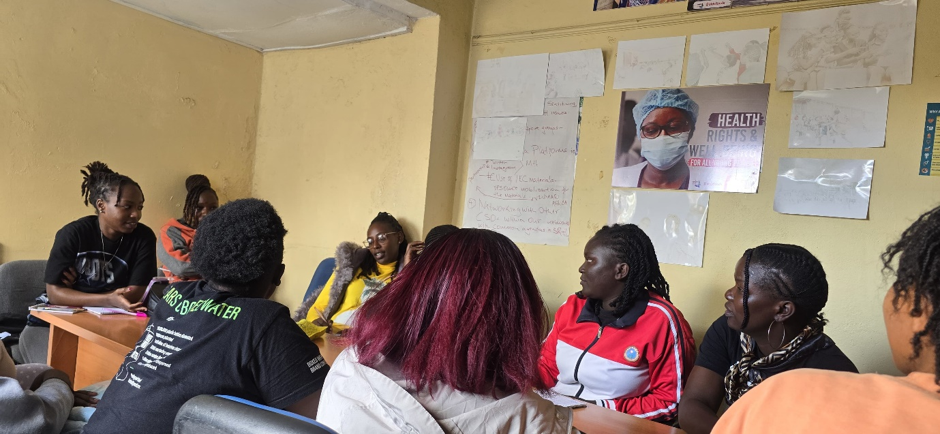
In May 2026, 45 adolescent girls and young women gathered at the offices of the Ambassador for Youth and Adolescents Reproductive Health Programme (AYARHEP) for the HER FUTURE training. The initiative was designed around a reality that many young women understand all too well: financial insecurity does not exist in isolation. It is often closely linked to health outcomes, personal safety, access to opportunities, and the ability to make independent decisions. A young woman facing economic pressure may find it more difficult to leave an unhealthy relationship, pursue education, access essential services, or plan for her future.
Over three days, participants explored financial literacy, entrepreneurship, sexual and reproductive health and rights (SRHR), HIV prevention, healthy relationships, and personal development.
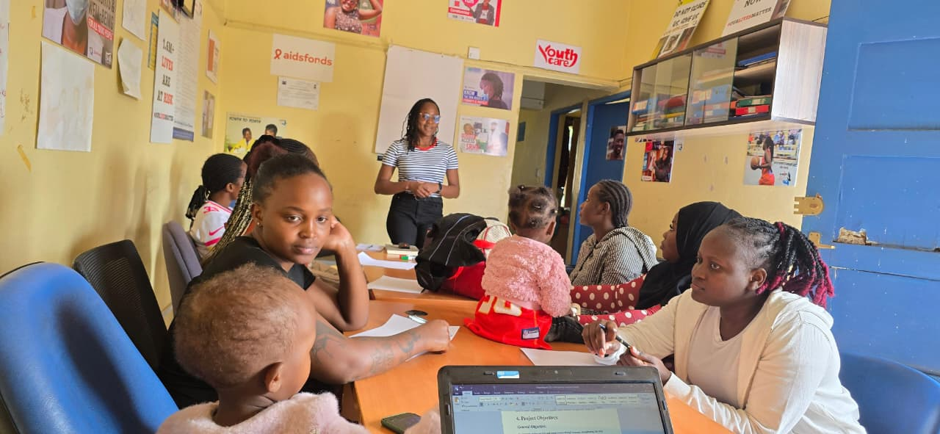
One of the most thought-provoking discussions centred on skills.
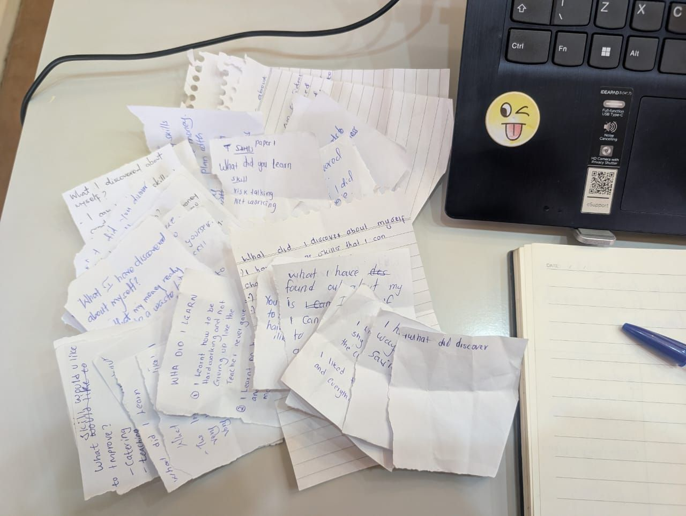
Participants were encouraged to identify abilities they already possessed, including communication, creativity, networking, reliability, confidence, patience, and relationship building. These were qualities many had never viewed as having economic value. For some, income generation was associated with large amounts of capital or opportunities that felt out of reach. The training challenged that perception and encouraged participants to think differently about the resources and capabilities they already had.
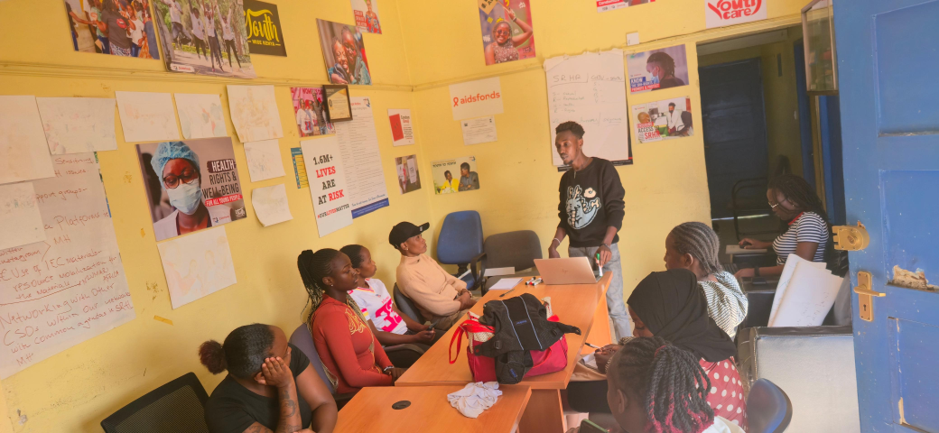
Conversations moved beyond budgeting and saving into practical discussions about visibility, professionalism, referrals, customer relationships, and how opportunities can emerge from everyday interactions. Participants reflected on how existing skills could be strengthened and potentially transformed into income-generating activities.
One participant captured this shift in perspective:
“I acknowledge that life is difficult for us young women and this session has been an interactive and educative session that has helped us realize skills that we have ignored and we need to start to capitalize.”
This reflection captured a broader theme that emerged throughout the training: financial resilience is about much more than money.
Across the three cohorts, participants spoke openly about the challenges they face. Some were young mothers. Others were out of school or navigating difficult economic circumstances. Yet despite their different experiences, many shared a common desire: to become more financially independent and better equipped to make decisions about their lives.
These aspirations are at the heart of this year’s World Population Day theme. Realising the hopes and aspirations of young people requires more than asking them what they want for their futures. It also means addressing the barriers that can limit their choices and creating conditions in which they can access information, build skills, make informed decisions, and pursue opportunities.
The SRHR sessions added another important dimension to the training. Participants explored topics including consent, contraception, HIV prevention, confidentiality, healthy relationships, and access to youth-friendly health services. These discussions created space for questions that are often left unasked due to stigma, misinformation, or fear of judgment.
Importantly, AYARHEP recognised that the different dimensions of a young woman’s life cannot always be addressed separately. Economic circumstances can influence health choices, relationship dynamics, access to services, and future opportunities. Bringing financial literacy and SRHR into the same programme provided a more realistic reflection of participants’ lived experiences and the interconnected factors that shape their futures.
The three-day structure also created opportunities for peer learning and open discussion. Participants shared experiences, asked questions, and reflected on common challenges. Several expressed an interest in sharing what they had learned with others in their communities. This is where the impact of initiatives such as HER FUTURE can extend beyond the training room: knowledge is shared, conversations continue, and benefits reach families, peer networks, and communities.
The training was supported through DevPartners, the collaborative partnership between Dev-Afrique and DevGlobal, as part of the 2026 International Women’s Month initiative under the theme Give to Gain. Through this partnership, AYARHEP delivered a locally led programme that created space for young women to access information, build confidence, ask questions, and reflect on their futures.
What emerged from those conversations was not simply a greater understanding of financial literacy or SRHR. It was a deeper appreciation of the abilities, aspirations, and potential that already existed within the room.
The training reinforced an important lesson: adolescent girls and young women do not lack ambition, ideas, or capability. What is often missing are opportunities, supportive networks, mentorship, and access to information that helps them build on the strengths they already possess.
As we mark World Population Day, AYARHEP’s HER FUTURE programme reminds us that realising the hopes and aspirations of young people begins with listening to them, recognising the realities they navigate, and investing in the conditions that allow their potential to grow.
As we mark World Population Day, HER FUTURE reminds us that young people already have hopes, ambitions, and ideas for the lives they want to build. Realising those aspirations requires more than recognising their potential. It means creating opportunities for them to access practical skills, reliable information, supportive networks, and spaces where they can ask questions, learn from one another, and make informed decisions about their lives. For the 45 young women who participated in HER FUTURE, the training was one such space, offering an opportunity to recognise the strengths they already possess and explore how they can use them to shape their futures.